Get Commercial Slab Construction
Commercial Slab Construction services connect property owners with local contractors who build durable concrete foundations for warehouses, retail spaces, offices, and industrial facilities.
Commercial slab construction services are essential for property owners planning new developments, expansions, or upgrades to existing facilities. Whether constructing a new parking lot, foundation for a commercial building, or industrial space, choosing experienced local contractors can ensure the project meets structural and safety standards. Property owners in the area often explore these services to support their business growth, improve property functionality, or meet specific zoning requirements. Exploring your options and comparing local providers can help identify the right team to handle your project efficiently and effectively.
Understanding the scope of commercial slab work and the expertise available in the local area can make planning your project smoother. Many property owners consider working with local service providers to benefit from their familiarity with regional codes, soil conditions, and construction practices. By reviewing your options and connecting with qualified contractors, you can gain valuable insights into how to approach your project and find the right professionals to bring your plans to life. Keep reading to discover resources that can help you make informed decisions for your commercial construction needs.
- Commercial Slab Construction - when a business needs a durable foundation for a new commercial building.
- Industrial Flooring - for warehouses or factories requiring strong, long-lasting concrete slabs.
- Retail Space Foundations - when establishing retail stores that demand stable, level flooring surfaces.
- Parking Lot Slabs - for parking facilities needing solid, reliable concrete surfaces to support vehicle traffic.
- Office Building Foundations - during the construction of office spaces requiring sturdy concrete slab systems.
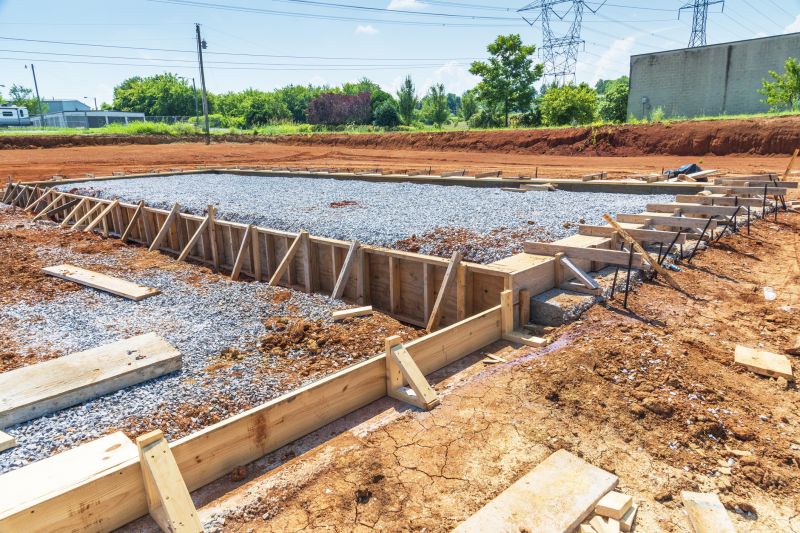
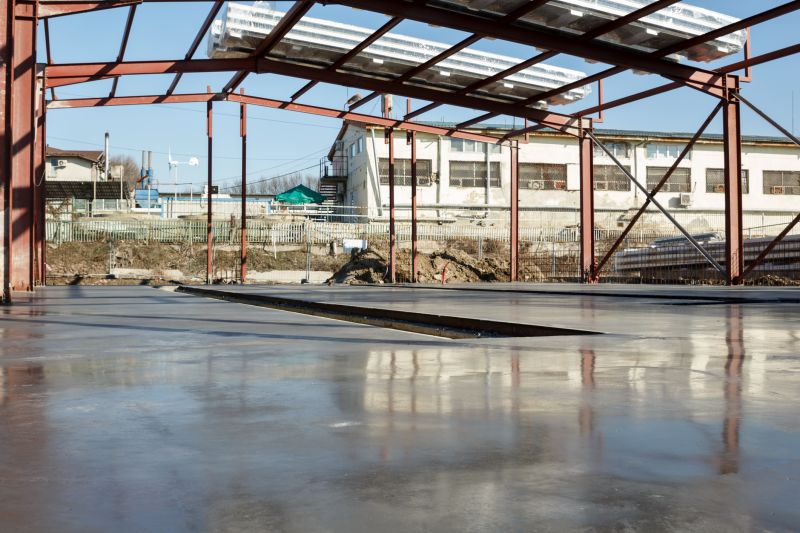
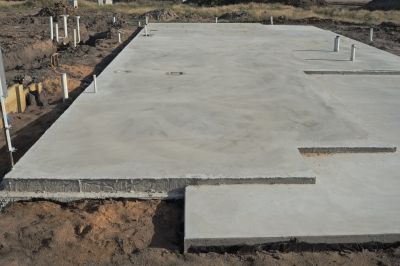
Commercial slab construction services involve creating the foundational concrete surfaces that support various types of commercial properties. This process typically includes pouring and finishing concrete slabs for buildings such as warehouses, retail stores, office complexes, and manufacturing facilities. Skilled contractors prepare the site, set up forms, pour the concrete, and ensure a smooth, level finish that provides a durable base for the entire structure. Properly constructed slabs are essential for the stability and longevity of commercial buildings, making this service a critical step in the construction process.
These services help address common problems related to uneven or weak foundations, which can lead to structural issues over time. For example, poorly constructed slabs may crack, settle unevenly, or fail to support heavy loads, resulting in costly repairs or safety concerns. Commercial slab construction aims to mitigate these issues by using quality materials and precise techniques to create a solid, stable foundation. This ensures that the building can withstand daily use, heavy equipment, and environmental stressors without compromising its integrity.
Many types of properties benefit from professional slab construction services. Warehouses and industrial facilities often require large, reinforced slabs capable of supporting heavy machinery and storage racks. Retail centers and shopping malls need durable, level surfaces to accommodate foot traffic and retail fixtures. Office parks and commercial complexes also depend on well-constructed slabs to provide a stable base for multiple buildings and parking areas. Essentially, any commercial property that involves a substantial structure or heavy usage can benefit from expert slab construction to ensure safety and functionality.
Homeowners or property managers who are planning new construction, remodeling, or foundation repairs may find commercial slab services essential. If there are signs of foundation issues such as cracking, uneven floors, or shifting, a professional slab assessment and repair can help restore stability. Additionally, when building new commercial spaces or expanding existing ones, reliable slab construction ensures a strong groundwork that supports future growth and usage. Connecting with experienced local contractors can help determine the best solutions for specific property needs, ensuring a solid foundation for years to come.
The overview below groups typical Commercial Slab Construction projects into broad ranges so you can see how smaller, mid-sized, and larger jobs often compare in your area.
In many markets, a large share of routine jobs stays in the lower and middle ranges, while only a smaller percentage of projects moves into the highest bands when the work is more complex or site conditions are harder than average.
Smaller Repairs - typical costs for minor slab repairs or patching range from $250-$600, depending on the extent of damage. Many routine jobs fall within this middle range, with fewer projects reaching the higher end for more extensive work.
Surface Resurfacing - resurfacing or overlay projects usually cost between $1,000 and $3,000 for standard commercial slabs. Larger or more detailed surface work can push costs higher but remains within this general range for most projects.
Full Slab Replacement - complete replacement of a commercial concrete slab often ranges from $4,000 to $8,000 or more, influenced by slab size and complexity. Many projects in this category tend to fall in the middle to upper part of this range, with very large or complex jobs reaching higher prices.
Large-Scale Construction - new commercial slab construction or major overhaul projects can start around $10,000 and exceed $20,000 for large, intricate builds. These higher-cost jobs are less common but represent the upper tier of typical project budgets handled by local contractors.
Actual totals will depend on details like access to the work area, the scope of the project, and the materials selected, so use these as general starting points rather than exact figures.
Commercial Parking Lots - local contractors often use similar concrete slab techniques and planning skills to create durable, level surfaces for vehicles.
Industrial Warehouse Floors - these projects require precise concrete pouring and reinforcement methods comparable to commercial slab construction.
Retail Store Foundations - building foundations for retail spaces involve planning and concrete work similar to commercial slab services.
Office Building Foundations - the process of creating stable, load-bearing slabs for office structures shares skills with commercial slab construction.
Restaurant and Food Service Floors - installing durable, seamless concrete slabs for commercial kitchens aligns with commercial slab techniques.
Public Infrastructure Projects - sidewalks, plazas, and other public spaces often utilize concrete slabs that require similar planning and execution skills.
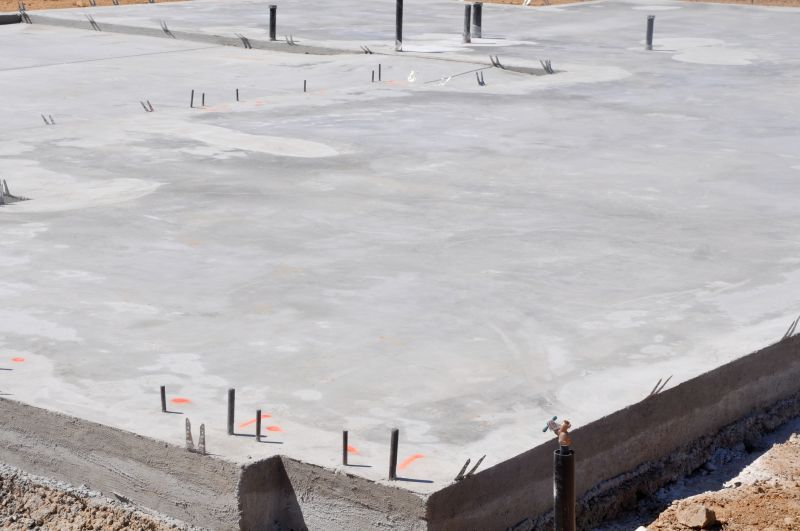
When comparing service providers for commercial slab construction, it’s important to consider their experience with similar projects. Homeowners should look for local contractors who have a proven track record of successfully completing projects comparable in size, scope, and complexity. An experienced professional will understand the nuances of commercial slab work, such as site preparation, material selection, and proper curing techniques, which can contribute to a durable and long-lasting result. Asking for examples of past work or references from previous clients can help gauge a contractor’s familiarity with projects like yours and provide insight into their capabilities.
Clear and detailed written expectations are essential when evaluating local contractors. A reputable service provider should be willing to outline the scope of work, materials to be used, and the estimated process in a straightforward manner. This documentation helps ensure that both parties are aligned on project goals and reduces the risk of misunderstandings. Homeowners should look for contractors who communicate openly and provide comprehensive written proposals, as this demonstrates professionalism and a commitment to transparency. Having a clear understanding of what to expect can make the project process smoother and more predictable.
Good communication and reputable references are key indicators of a reliable service provider. Local contractors who are easy to reach and responsive to questions tend to be more dependable throughout the project. Additionally, seeking out references or reviews from previous clients can offer valuable perspectives on a contractor’s professionalism, punctuality, and quality of work. It’s important to choose service providers who are known for their clear communication and positive reputation within the community. Remember, this site serves as a resource to introduce homeowners to trusted local options, helping them find experienced and communicative professionals for their commercial slab construction needs.
Property owners use Commercial Slab Construction services for practical projects around their homes and businesses. This guide focuses on everyday jobs and straightforward project options.
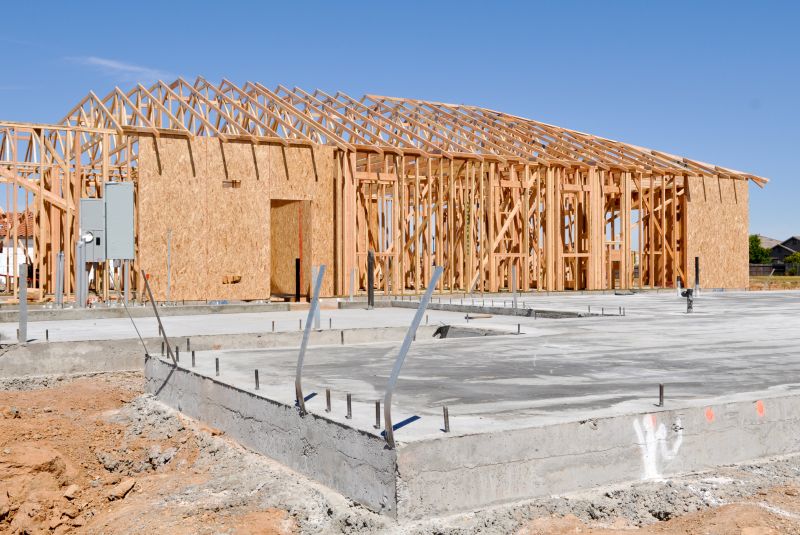
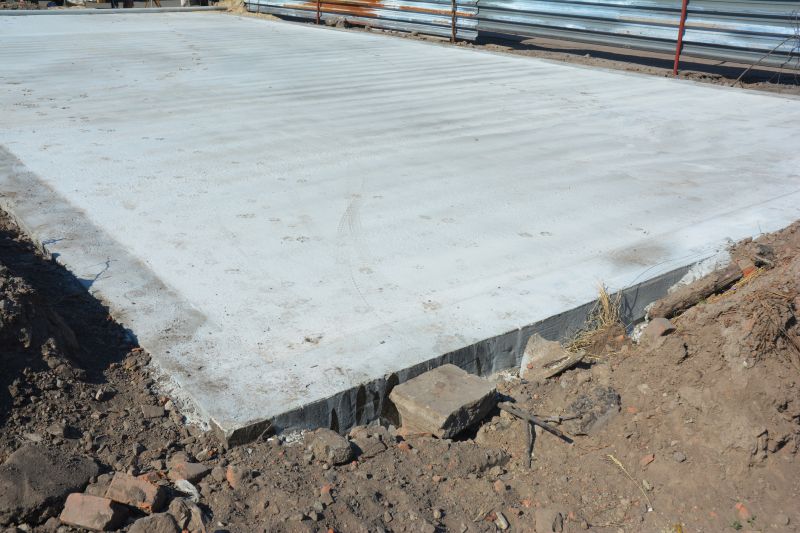
Commercial slab construction services are often needed when property owners are preparing new spaces for business operations or making significant upgrades to existing facilities. Whether it's laying a foundation for a new warehouse, retail store, or office building, local contractors can provide the expertise needed to ensure a durable and level concrete slab. Property owners might seek these services to support the structural integrity of their commercial properties, facilitate smooth interior finishes, or meet specific building codes and regulations.
In many cases, property owners look for local pros to handle slab construction for renovations, expansions, or new construction projects. Reliable service providers can assist with site preparation, concrete pouring, and finishing work, helping to keep projects on track and within scope. Choosing experienced local contractors can make the process more straightforward, ensuring that the foundation work is completed properly and ready for the next phases of construction or development.
What types of commercial slabs do local contractors typically build? Local contractors often handle various types of commercial slabs, including poured concrete slabs for warehouses, retail spaces, and industrial facilities.
How do contractors prepare the site for commercial slab construction? Contractors evaluate soil conditions, clear the area, and set up formwork to ensure a stable foundation before pouring the concrete.
What materials are commonly used in commercial slab construction? The most common materials include reinforced concrete with steel rebar or wire mesh to enhance strength and durability.
Are there specific building codes or regulations that contractors follow for commercial slabs? Yes, local contractors adhere to applicable building codes and standards to ensure safety and compliance during construction.
What factors influence the choice of slab thickness and reinforcement? Factors such as load requirements, soil conditions, and the type of structure being built influence decisions on slab thickness and reinforcement methods.
Industrial Warehouse Floors - Property owners can explore durable slab options for constructing or renovating warehouse spaces to support heavy equipment and high traffic.
Parking Lot Foundations - Local contractors can provide concrete slabs for creating stable and long-lasting parking areas for commercial properties.
Loading Dock Surfaces - Business owners may consider slab services to build or upgrade loading docks that withstand frequent vehicle traffic.
Retail Store Foundations - Commercial property managers can work with local pros to install or reinforce concrete slabs for retail storefronts and shopping centers.
If you are thinking about Commercial Slab Construction for a property, this guide is meant to help you understand the work, the typical project types, and how different options might fit your plans.
When you are ready, you can use the quote form on this page to share a few details about your project. From there, local pros can review the basics and respond with options that match what you have in mind.